Choose Which Site You Want To See




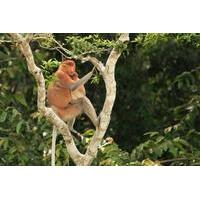
Monkey Sanctuary is an organisation focused on the long term care and rehabilitation of rescued monkeys, providing a stable environment that supports their social and behavioural needs.
It shares information about its residents, their backgrounds, and the principles guiding their welfare, which may help users understand the scope of its work. The sanctuary often suits individuals interested in animal welfare, conservation themes, or learning about species specific challenges. Its updates and educational content offer a general sense of daily life at the facility without promising specific experiences. This overview may assist users seeking a clear impression of the sanctuary’s role and the type of initiatives it undertakes.
The Monkey Sanctuary is a long‑established wildlife sanctuary in the UK known for its focused care of rescued primates and its educational and conservation-led approach. It operates as a specialist centre rather than a general visitor attraction, offering a combination of animal welfare, public engagement, and charitable activity. The sanctuary has become recognised over time for supporting monkeys that cannot be returned to the wild, often due to past captivity or unsuitable living conditions. As a result, it occupies a defined position within the broader animal welfare and conservation landscape.
Visitors to the Monkey Sanctuary typically encounter a calm, informative environment centred on animal care rather than entertainment. Its model differs from large commercial wildlife parks. Instead, it provides a quieter, more focused experience shaped by the needs of its resident monkeys. This positions the sanctuary as a niche operator with an emphasis on long‑term welfare and education.
Publicly available information suggests that the sanctuary has operated for several decades, contributing to its reputation as a stable and specialist organisation. Its approach to primate care, enrichment, and advocacy reflects a mission-driven ethos rather than a commercial framework. People visiting or researching the sanctuary generally look for clarity on what the centre offers, what they can expect from a visit, and how its welfare‑led model compares to more general animal attractions.
As a result, expectations are best framed around a thoughtful, structured experience focused on learning and observation. For those seeking detailed insight into rescued primate welfare, the Monkey Sanctuary presents itself as a specialist destination within the UK’s conservation and animal‑protection space.
Browse the full range on the Monkey Sanctuary website.
The Monkey Sanctuary offers general visitor access during selected periods. These visits provide an opportunity to observe the resident monkeys in habitats designed around their welfare needs. Information boards, guided explanations, and structured viewing areas help visitors understand the backgrounds and behaviours of different primates. The experience aligns with the sanctuary’s mission-driven model, emphasising learning over leisure.
The sanctuary develops educational materials for schools, families, and adult learners. These programmes typically cover primate behaviour, ethical considerations of keeping primates as pets, and broader conservation themes. As a specialist centre, it aims to present balanced, factual information suitable for varied levels of knowledge.
Through symbolic adoption or sponsorship schemes, supporters can contribute to the ongoing care of individual monkeys. These schemes usually include updates, profiles, or background information about the chosen primate. They are framed as a means of supporting welfare work rather than forming any personal ownership relationship.
The Monkey Sanctuary offers structured volunteering roles, though availability may vary. These opportunities tend to involve support tasks rather than direct animal handling. The focus remains on helping with aspects of sanctuary operations that complement staff-led animal care. Volunteers may find this suitable if they value contributing to conservation-related work.
The sanctuary produces informational content about issues affecting primates, including the challenges associated with the exotic pet trade. These resources often address the welfare implications for monkeys kept in domestic environments. By sharing these materials, the sanctuary reinforces its position as an advocacy-based organisation.
A small selection of merchandise may be available through on‑site or online channels. Items usually include themed gifts, books, or products supporting the sanctuary’s fundraising aims. These offerings contribute to charitable income while maintaining alignment with the sanctuary’s educational and welfare priorities.
During certain times of the year, the sanctuary may host themed days or small events. These tend to follow an educational format rather than an entertainment-focused one, supporting deeper engagement with primate welfare.
The Monkey Sanctuary operates within a welfare-led framework. Its central focus is the lifetime care of primates that cannot be returned to natural habitats. This shapes decision-making around visitor access, enclosure structure, volunteer roles, and educational priorities. Rather than positioning itself as a broad wildlife attraction, it functions as a specialist centre built on consistent routines, behavioural understanding, and stable care environments.
Its values typically revolve around compassion, responsibility, and informed public engagement. The sanctuary also highlights the long-term nature of caring for primates, acknowledging that many residents require decades of attention. This reinforces its niche positioning within the UK’s wider conservation and animal charity sector.
Visitors to the Monkey Sanctuary usually encounter a well-signposted, structured environment. Information points and viewing areas are arranged to maintain calm surroundings for the monkeys while giving visitors opportunities to learn. Navigation tends to be straightforward due to the sanctuary’s relatively compact size, which suits those who prefer a manageable experience.
Educational materials are generally presented in clear, accessible language. The emphasis is on explaining each monkey’s background and the wider issues surrounding primate captivity. Customer experience patterns often highlight the sanctuary’s gentle pace, making it suitable for visitors who appreciate a thoughtful and informative outing.
The sanctuary is primarily known for its long-term care of rescued monkeys. It focuses on specialist welfare practices and public education about primate issues. Visitors often value the clear explanations of each monkey’s history and behavioural needs.
The sanctuary operates as a welfare‑led, charity-based organisation dedicated to supporting primates that cannot return to the wild. Its model combines daily care, enrichment activities, structured visitor access, and educational outreach, with operations prioritising the animals’ wellbeing.
Visitors typically include families, animal-welfare supporters, and individuals who prefer educational wildlife experiences. The sanctuary’s quieter pace may appeal to those who want insight into primate care rather than a general entertainment-focused outing.
It may be suitable depending on the child’s interests and need for a calm environment. The experience focuses on observation and learning rather than hands-on activities, so families who appreciate a gentler pace often find it suitable.
It offers a more focused, specialist experience rather than a broad animal collection. The sanctuary centres on rescued primates and their welfare needs, making it distinct from larger parks that feature wider species ranges and activity-based attractions.
Visitors should expect an educational visit shaped by animal welfare priorities. The sanctuary’s size is modest, and its layout is designed to support a calm atmosphere for the monkeys, which influences the overall experience.
The Monkey Sanctuary occupies a distinctive place within the UK’s conservation and animal-welfare landscape. Its focus on rescued primates creates a specialist environment designed around stable care, behavioural understanding, and long-term support. This informs the visitor experience, which is calm, structured, and strongly educational. People looking for in‑depth insight into primate welfare, rescue backgrounds, and responsible captive care often find the sanctuary aligned with their interests.
Suitability varies according to expectations. Those seeking a broad wildlife park may find the sanctuary’s specialist nature different from larger attractions. However, visitors who value learning, quiet observation, and charitable models of animal care often regard the experience as meaningful and informative. Public sentiment frequently highlights the clarity of educational materials and the respectful environment created for the monkeys.
Overall, the sanctuary presents itself as a thoughtful destination that aims to deepen understanding of primate welfare while offering a stable home for its residents. Its measured, mission-led approach contributes to its ongoing appeal for visitors and supporters who prioritise animal wellbeing and clear educational insight.
Ready to shop? See the full range on the Monkey Sanctuary website.
This guide was written by AI. It does not represent the views or opinions of the website owner.
Updated October 2026
 Hobble Down
 Knowsley Safari
 Longleat
 Aspinall Foundation, The
 View from The Shard, The
 Diggerland
 Legoland Holidays
 Kids Pass
 Museo de Cera Barcelona
 Marwell Zoo