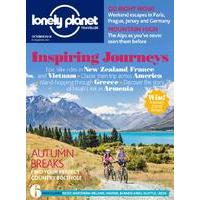
Choose Which Site You Want To See




Lonely Planet is a travel guide publisher offering destination overviews, cultural insights, and practical information for trip planning.
Its guides cover a wide selection of regions and themes, aiming to help readers understand local contexts and navigate unfamiliar places. The brand’s content ranges from introductory area snapshots to more detailed observations that may assist users exploring itinerary ideas. Lonely Planet may suit travellers seeking structured reference material, those comparing destinations, or readers who prefer curated, text led guidance. It typically appeals to individuals who value researched information presented in an accessible format, whether preparing for a journey or learning about a place.
Lonely Planet is a long-established travel guide publisher known for producing destination guides, reference books, digital resources, and curated travel information for a global audience. Originating in the 1970s, the brand has developed a reputation for offering practical insights and geographically wide coverage, ranging from major cities to remote regions. Over the years it has expanded beyond printed guides to include online content, mobile apps, and thematic publications that cover planning, cultural context, and inspiration for different types of journeys.
The brand positions itself within the travel information category, offering resources intended to support travellers as they explore destinations at their own pace. While the travel sector has evolved considerably through online platforms and user generated content, Lonely Planet remains a recognisable reference point for structured, curated travel material.
Within the broader market, Lonely Planet sits in a mid-market to broad appeal space. The information typically aims to set expectations clearly, with a balanced combination of cultural context, practical considerations, and destination highlights.
Readers approaching the brand often look for a structured reference that simplifies early stage travel research. As many travellers search for an overview before making detailed decisions, the combination of digital materials and traditional guidebooks gives Lonely Planet a continued presence among those who value curated travel information. The brand maintains its focus on offering accessible, narrative-driven guidance that helps users understand destinations rather than directing specific travel choices.
Browse the full range on the Lonely Planet website.
Lonely Planet is widely known for destination guidebooks that cover countries, regions, and cities. These guides typically include background information, neighbourhood descriptions, cultural notes, and practical observations. They aim to offer a blend of narrative context and structured listings suitable for general travellers.
The brand also publishes thematic books that explore travel styles such as road trips, adventure focused journeys, family travel, or cultural deep dives. These guides provide curated lists and broader suggestions rather than detailed itineraries. They are often chosen by readers looking for inspiration or conceptual starting points.
Lonely Planet maintains a wide digital catalogue that includes destination pages, travel articles, and general travel research materials. The content is structured to give a quick sense of what a place offers, with sections on highlights, background, and traveller considerations. Digital resources expand the accessibility of the brand beyond its print library.
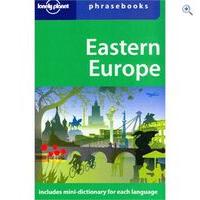
The brand produces compact phrasebooks for commonly travelled regions. These aim to support communication and cultural understanding during a trip. Phrasebooks often focus on essential vocabulary, everyday expressions, and pronunciation guidance.
Some users choose Lonely Planet for standalone maps or planning aids designed for on the ground navigation. These materials are typically intended to simplify orientation and add convenience for travellers who prefer physical reference tools.
The brand offers travel themed books designed for younger readers. These titles usually focus on educational content, cultural facts, and visual storytelling. They aim to encourage curiosity about geography and global cultures.
Lonely Planet publishes curated collections such as photographic volumes, food themed guides, and design inspired books. These often focus on inspiration rather than practical planning and appeal to readers who enjoy armchair travel or creative exploration.
Certain destinations are available in app based formats or digital download versions. These options provide additional flexibility for travellers who prefer to carry information on mobile devices. Coverage varies by destination and edition.
Lonely Planet positions itself as a resource for travellers seeking contextual and practical information presented in an accessible format. Its approach emphasises curated travel content rather than dynamic booking or travel management systems. The core model is based on editorial insight, structured presentation, and broad geographical coverage.
The brand’s values reflect an interest in cultural understanding, responsible travel principles, and appreciation for global diversity. While these themes appear throughout its publications, they are expressed through descriptive rather than directive language. Readers can expect an emphasis on helping travellers understand destinations while forming their own decisions.
In the travel information market, Lonely Planet occupies a space between crowd generated commentary and specialised travel consultancy. It offers structured information that aims to reduce uncertainty and assist readers as they evaluate destinations. The brand has maintained this position over decades, which contributes to its recognition and ongoing relevance.
Interacting with Lonely Planet materials is generally shaped by clear organisation and straightforward navigation. Guidebooks typically follow a consistent structure, which can help readers familiar with the brand locate information quickly. Chapters often include background insights, key experiences, and logistical considerations.
On the digital side, the website arranges destinations in a standardised manner so users can scan for highlights, cultural notes, and practical observations. Mobile access offers a more flexible way to browse articles or obtain quick information. Readers who value clarity and predictable layouts may find this particularly useful.
The experience is framed by a descriptive, narrative tone that aims to offer balanced impressions of different locations. The goal is to provide context that supports planning without shaping a specific itinerary. This style is well suited to early research and general learning about a destination.
Lonely Planet is known for its wide range of travel guidebooks and digital travel information. It focuses on offering accessible insights into destinations worldwide. The brand publishes country guides, city guides, thematic books, and online articles that help travellers understand places before visiting.
Lonely Planet operates as a travel information publisher with both print and digital platforms. It curates content through editorial teams and contributors who focus on descriptive, context driven writing. Users can browse guidebooks, online resources, and travel themed publications depending on their research needs.
Lonely Planet is typically used by travellers who value structured, narrative style travel information. It appeals to beginners who want clear guidance and to experienced travellers who prefer curated overviews when exploring new destinations.
Lonely Planet can be suitable for readers who like having a consistent format and broad destination coverage. It may also appeal to those who prefer printed guides while travelling or who enjoy cultural context presented alongside practical observations.
Lonely Planet differs from alternatives that rely heavily on user generated content or focus solely on booking tools. It provides curated editorial material that offers stable structure across destinations, which can be useful for early stage research.
Users should know that Lonely Planet is an informational resource rather than a booking platform. It provides descriptive content intended to support understanding of destinations. Travellers often combine it with other sources when forming complete plans.
Lonely Planet remains a familiar presence in the travel information landscape, offering structured guides and accessible insights for a wide range of destinations. Its positioning within the market focuses on curated editorial content rather than booking led functionality, which helps it retain a distinct role among travel resources. The combination of print and digital formats allows users to choose how they engage with the material, whether through comprehensive guidebooks or quick online reference pages.
The brand can be particularly relevant to readers at the early stages of planning, those exploring new regions, or travellers who appreciate cultural background woven into practical observations. Its approach encourages informed understanding without prescribing itineraries or specific travel decisions. In comparison to broader online commentary, Lonely Planet offers a consistent voice and clear organisation that many users find steady and reassuring.
Overall, Lonely Planet presents a reliable way to gain a rounded introduction to destinations. It provides context, clarity, and structured guidance for travellers seeking a balanced overview while forming their own plans.
Ready to shop? See the full range on the Lonely Planet website.
This guide was written by AI. It does not represent the views or opinions of the website owner.
Updated October 2026
 Ordnance Survey
 Visit England
 TripAdvisor
 Brochure Bank - Free Holiday Brochures
 Dash4It
 Vox City