Choose Which Site You Want To See




Uptime is a technology service that provides tools for monitoring website and application performance.
It offers features that help users track availability, spot emerging issues, and understand operational trends. The platform is positioned for organisations seeking structured visibility rather than advanced custom engineering, and it may suit teams that want a clear view of system behaviour without complex setup. Its reporting style focuses on accessible metrics, and users often use it to support internal awareness of performance patterns. Uptime may appeal to businesses that value straightforward dashboards and consistent monitoring functions.
Uptime is a provider of website monitoring and reliability tools designed to help organisations track the performance and availability of their online services. It sits within the wider category of software-as-a-service platforms that support operational awareness and digital experience monitoring. The brand focuses on delivering tools that help users understand how their websites, applications, and online systems behave over time. Its offering is oriented towards those who want structured visibility rather than manual or reactive monitoring.
The platform has become known for its emphasis on clarity and functionality. While not positioned as a specialist tool for large enterprise-only use, it tends to appeal to a broad mix of technical teams, online businesses, and service operators. Its features typically include uptime checks, performance monitoring, alerting workflows, incident management support, and a range of integrations that allow it to slot into existing operational processes. This positions it as a mid-market SaaS solution with a focus on usability and day-to-day reliability needs.
Publicly available information suggests that Uptime aims to offer a blend of accessibility and capability. The tools appear designed to be approachable, even for users who may not have deep technical backgrounds, while still offering the level of insight many experienced teams require. This middle-ground positioning makes it a practical option for organisations that require dependable monitoring but do not necessarily need a highly specialised or heavily customised enterprise platform.
Readers exploring a Uptime review often want to understand how the service works, what typical experiences look like, and what type of organisation might find value in its feature set. This article offers a neutral, extended overview to support that type of reasoning. It focuses on what the brand provides, how it positions itself, and what users can reasonably expect when engaging with the service.
Browse the full range on the Uptime website.
This category covers the core service for which Uptime is known. Website uptime monitoring checks whether a site or application is accessible from various locations. It typically includes configurable intervals, response validation, and performance timing information. These features align with the brand’s aim to provide dependable operational oversight.
Performance monitoring gives teams insight into load times, response behaviour, and trends that might affect user experience. The data helps identify slowdowns or variations. This forms part of the platform’s positioning as a tool for ongoing operational awareness rather than purely reactive issue tracking.
Many monitoring platforms offer additional check types such as API monitoring, transaction checks, or service health assessments. Uptime’s approach to these checks is typically designed to support varied digital environments, from simple websites to more complex applications.
Alerting tools help users stay informed when checks detect unexpected behaviour. These may include notifications via common communication channels, escalation rules, or routing options. The design supports teams that need structured workflows without heavy configuration.
Some monitoring events may trigger the need for incident documentation or communication. Uptime includes features that help teams track incidents more formally. This is suited to organisations that want a straightforward way to document operational impacts.
This category covers dashboards, charts, and reports that show long-term performance trends. These tools support decision making and can help users understand recurring behaviours over time. The presentation is usually designed to remain easy to interpret, which aligns with the platform’s accessibility-focused positioning.
Integrations allow the platform to work alongside other tools commonly used in operational and development environments. Examples may include communication platforms, ticketing systems, and automation tools. This supports teams that prefer connected ecosystems without extensive custom setup.
Status pages help organisations communicate service availability publicly or internally. They provide structured updates during operational events. Uptime includes tools in this category to support transparency and consistent communication.
Uptime positions itself as a monitoring platform that aims to balance capability with usability. Its product range suggests a focus on practical reliability rather than complex enterprise-level customisation. The brand appears to prioritise clarity, structured information, and long-term consistency.
The overall approach supports teams that value accessible tools. Its monitoring suite and incident features indicate an intention to help organisations remain aware of operational behaviour in a straightforward manner. Within the broader website monitoring market, this places Uptime as a mid-market provider with a focus on day-to-day operational needs rather than highly specialised or niche scenarios.
Interacting with Uptime generally revolves around dashboards, monitoring configuration, and alerting tools. Users can typically navigate between checks, performance reports, and status information in a structured layout. This contributes to an experience that feels practical and task-oriented.
Information is presented in a clear format that helps users understand performance patterns and availability checks. Setup processes are usually described as approachable, with a guided feel that suits mixed-experience teams. Accessibility is supported through clear menus, straightforward language, and logical grouping of features.
Uptime offers several characteristics that commonly attract attention across user discussions. These include structured monitoring checks, incident workflow tools, and accessible status page options. The platform also supports integrations that help teams consolidate information across systems. For users exploring operational monitoring tools, these characteristics contribute to a coherent and dependable experience.
Uptime is known for providing website monitoring and reliability tools. It offers checks, alerts, and performance insights aimed at helping teams understand service behaviour. These tools support organisations that want structured visibility over their online platforms.
Uptime operates as a SaaS platform that runs monitoring checks from various locations and reports on availability and performance. It also supports incident management and communication features. Users access dashboards and configure monitoring behaviour through the online interface.
Uptime is generally used by organisations that maintain websites, applications, or online services. These can include technical teams, small to mid-sized businesses, and digital service operators. It suits groups that value clarity and reliable monitoring.
Uptime may suit users who want structured visibility without complex enterprise-level configuration. This includes teams with mixed technical experience, organisations seeking consistent alerting, or those who want built-in status communication tools. Suitability depends on operational needs.
Uptime sits within the mid-market range of monitoring tools. Some alternatives focus on deep enterprise observability, while others offer lightweight monitoring only. Uptime aims to balance capability with usability, which appeals to teams that want a straightforward experience.
Users should know that Uptime focuses on accessibility and operational clarity rather than highly customised configurations. The platform is structured, meaning most features follow consistent patterns. It offers tools that support monitoring, alerts, incidents, and status visibility.
Uptime is a website monitoring and performance tracking platform that offers structured tools to help organisations understand how their online services behave over time. Its approach focuses on clarity, reliability, and accessibility, making it suitable for teams that want dependable monitoring without extensive configuration requirements. With uptime checks, performance data, alerting systems, incident workflows, and integrations, the platform aims to support operational awareness in a practical and coherent manner.
The platform’s mid-market positioning places it between lightweight monitoring tools and more complex enterprise observability systems. This makes it a potential match for organisations that want meaningful insights without high complexity. While every organisation’s needs differ, Uptime’s offering aligns with users seeking consistency, visibility, and structured monitoring.
For those exploring options within the website monitoring space, Uptime offers a balanced mix of tools and usability that can support a wide range of operational contexts. This review presents a neutral understanding of what the service provides and how it positions itself within the broader market.
Ready to shop? See the full range on the Uptime website.
This guide was written by AI. It does not represent the views or opinions of the website owner.
Updated October 2026

Hpe Smart Array P246br/1gb Fbwc 12gb 4-ports Int Sas Controller: The HP Smart Array P246br Controller is a Flexible Smart Array, 12Gb/s SAS RAID controller that provides...
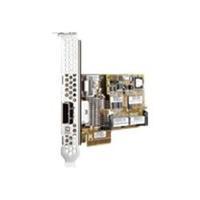
Hpe Smart Array P222/512 Fbwc 6gb 1-port Int/1-port Ext Sas C: The HP Smart Array P222 Controller is a low profile, 6 Gb/s, PCIe 3.0, Serial Attached SCSI (SAS) RAID controller that...
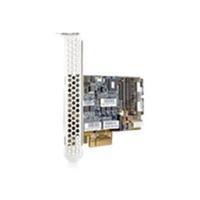
Aruba Smart Array P420/1gb Fbwc 6gb 2-ports Int Sas Controller: The HP Smart Array P420 Controller is a low profile, 6 Gb/s, PCIe 3.0, Serial Attached SCSI (SAS) RAID controller that...

Dell Perc H200 Storage Controller Sas 2 Pcie 2.0: The Dell PERC (PowerEdge RAID Controller) family of enterprise-class controllers is designed for enhanced performance,...

Hp Care Pack Nbd Hw Support With Defective Media Retention Extended Service Agreement 3 Yrs On-site: When hardware issues come up, the sooner you can get running again, the better. Have expertise at the ready with HP...

Hp Care Pack 4-hour Same Business Day Hardware Support Extended Service Agreement 3 Years On-site: When hardware issues arise on critical devices, you want to get back up and running as soon as possible. Experts are...

Hp Care Pack 4-hour Same Business Day Hardware Support Extended Service Agreement 3 Years On-site: When hardware issues arise on critical devices, you want to get back up and running as soon as possible. Experts are...

Hp Care Pack Next Business Day Hardware Support Extended Service Agreement 3 Years On-site: When hardware issues come up, the sooner you can get running again, the better. Have expertise at the ready with HP...

Hp Care Pack Next Business Day Hardware Support Extended Service Agreement 3 Years On-site: When hardware issues come up, the sooner you can get running again, the better. Have expertise at the ready with HP...

Hp Care Pack Next Business Day Hardware Support Extended Service Agreement 3 Years On-site: When hardware issues come up, the sooner you can get running again, the better. Have expertise at the ready with HP...

Hp Care Pack Next Business Day Hardware Support Extended Service Agreement 3 Years On-site: When hardware issues come up, the sooner you can get running again, the better. Have expertise at the ready with HP...

Hp Care Pack Next Business Day Hardware Support Extended Service Agreement 3 Years On-site: When hardware issues come up, the sooner you can get running again, the better. Have expertise at the ready with HP...

Hp Care Pack Next Business Day Hardware Support Extended Service Agreement 3 Years On-site: When hardware issues come up, the sooner you can get running again, the better. Have expertise at the ready with HP...

Hp 3 Year Nbd On-site Optional Customer Self Repair Desktop/workstation Only Hardware Service: When hardware issues come up, the sooner you can get running again, the better. Have expertise at the ready with HP...

Hp Care Pack Nbd Hardware Support With Disk Retention Extended Service Agreement 3 Years On-site: When hardware issues come up, the sooner you can get running again, the better. Have expertise at the ready with HP...

Hp Care Pack Nbd Hw Support W/ Defective Media Retention Extended Service Agreement 4 Years On-site: When hardware issues come up, the sooner you can get running again, the better. Have expertise at the ready with HP...

Hp Care Pack Next Business Day Hardware Support Extended Service Agreement 3 Years On-site: When hardware issues come up, the sooner you can get running again, the better. Have expertise at the ready with HP...

Hp Care Pack Next Business Day Hw Support With Disk Retention Extended Service Agreement 3ys On-site: When hardware issues come up, the sooner you can get running again, the better. Have expertise at the ready with HP...

Hp Care Pack Next Business Day Hardware Support Extended Service Agreement 5 Years On-site: When hardware issues come up, the sooner you can get running again, the better. Have expertise at the ready with HP...

Hp Care Pack Next Business Day Hardware Support Extended Service Agreement 3 Years On-site: When hardware issues come up, the sooner you can get running again, the better. Have expertise at the ready with HP...
 Whizz Education
 Money Masters App
 EdPlace
 Code Kingdoms
 Maths Factor, The
 Rosetta Stone
 Corel Store
 MUSO
 BrightHR