Choose Which Site You Want To See



NME is a long running music and culture publication offering news, interviews and features across genres for readers interested in contemporary entertainment.
It provides coverage of emerging artists, established acts and broader cultural topics through editorial content aimed at helping audiences stay informed about current trends. The platform may suit those who follow music scenes closely or who prefer concise commentary presented in an accessible format. Its mix of updates, reviews and opinion pieces gives users a general sense of developments without requiring specialist knowledge, making it a potential fit for casual readers as well as more dedicated fans.
NME is a long‑established music and culture publication known for covering artists, trends, and developments across alternative, mainstream, and emerging scenes. Originally founded as a print music magazine, it has evolved into a digital-first media platform that publishes news, interviews, reviews, opinion pieces, and cultural reporting. Its place within the entertainment and media landscape reflects a blend of heritage and ongoing relevance, particularly for audiences seeking commentary and reporting on contemporary music and pop culture.
Over time, NME has developed a recognisable editorial voice that often centres on artist storytelling, scene movements, and industry narratives. Its shift to online publishing positions it alongside modern digital outlets that focus on quick updates, multimedia features, and accessible coverage. The publication’s long history gives it a distinctive profile compared to newer platforms, and many readers approach it with an expectation of broad yet focused cultural reporting.
Within the competitive field of music journalism, NME typically sits in a mid‑market to accessible niche. It balances familiarity with broad audiences and interest among readers who follow particular genres. Its reviews and interviews often highlight both up‑and‑coming artists and established figures, allowing it to serve a mixed readership.
Browse the full range on the NME website.
This category covers updates on artists, releases, industry developments, and cultural moments. It typically includes short articles that summarise relevant events, allowing readers to keep pace with new announcements. As part of its positioning, NME often presents stories with a focus on accessibility and timely insight.
Reviews provide editorial commentary on new or notable music releases. These pieces generally describe the listening experience, thematic elements, and contextual information about the artist. The tone reflects traditional music journalism, offering perspective without attempting to direct user decisions.
Interviews feature conversations with artists, actors, creators, and cultural contributors. They typically focus on creative processes, recent projects, and broader cultural topics. This category highlights the publication’s long-standing interest in showcasing voices from across the entertainment spectrum.
Longer editorial pieces explore topics such as subcultures, movements, or retrospective looks at influential works. These articles allow the publication to present broader narratives and to contextualise music and entertainment within cultural conversations.
While best known for music, NME includes reporting and reviews focused on film and television. This section typically appeals to readers interested in broader entertainment trends beyond music alone.
NME offers articles, reviews, and news relating to videogames and interactive entertainment. This mirrors a wider industry pattern in which media outlets cover interconnected areas of pop culture.
This category includes reports, photo galleries, and commentary surrounding concerts, festivals, and performances. Coverage often reflects the publication’s longstanding relationship with live music and event reporting.
List-based articles gather thematic selections of albums, songs, films, or cultural moments. These pieces help readers explore trends or discover new material and serve as accessible entry points for broader content.
Spotlight pieces highlight emerging or lesser-known artists. These features align with NME's history of supporting new talent through editorial exposure.
NME positions itself as a digital media outlet that blends historical influence with modern entertainment coverage. Its operating model centres on regular publication, timely reporting, and an accessible editorial voice. The brand often focuses on cultural relevance and broad appeal, offering content that is recognisable to its long-running audience while also engaging newer readers familiar with online entertainment media.
The publication’s values typically emphasise coverage of the broader creative landscape, including music, film, television, and gaming. Rather than focusing solely on one segment, the brand presents itself as part of the wider entertainment conversation. This balanced approach helps situate it between specialist music publications and general lifestyle media.
Interacting with NME generally involves a straightforward, digital‑first experience. The website layout presents content in clearly defined categories, allowing readers to navigate by interest area. Information is usually displayed in concise article formats, reflecting modern reading habits and mobile‑first usability.
Readers often encounter consistent formatting across reviews, interviews, and news pieces. This helps maintain clarity and supports quick transitions between different content types.
NME is primarily known for its music journalism and entertainment coverage. It has a long history of reporting on artists, scenes, and cultural developments, and continues to publish a wide range of digital content.
NME operates as a digital media outlet focusing on timely updates, reviews, interviews, and cultural commentary. It follows a regular publishing cycle and organises content into accessible categories.
The publication attracts readers interested in music, entertainment, and pop culture. Users often include fans following specific artists, individuals exploring new releases, and readers looking for commentary on cultural trends.
NME may suit readers who enjoy accessible entertainment journalism and regular updates. It is also relevant for people seeking a mix of news, reviews, and interviews across various creative fields.
NME sits between specialist music publications and broader lifestyle outlets. It offers a balance of focused music coverage and wider entertainment reporting, distinguishing it from highly niche or heavily generalised alternatives.
Readers should be aware that NME provides editorial coverage rather than formal guidance. The content is designed for informational and cultural exploration, and its style reflects typical entertainment journalism.
NME occupies a distinctive place in the digital entertainment landscape as a long-standing publication that has transitioned from print to online-first media. Its editorial approach centres on music, culture, and entertainment, presented in accessible formats suited to modern reading habits. The publication’s varied content categories support a broad audience, from casual readers to those who regularly follow specific artists, genres, or cultural movements.
Its positioning reflects a balance between heritage and contemporary relevance, offering coverage that blends familiarity with adaptability. Users can expect a structured site layout, regular updates, and a mix of short-form news and longer features. The publication does not attempt to guide decisions; instead, it provides context and commentary that help readers understand developments in music and entertainment.
As part of the wider media environment, NME offers a neutral space for exploring cultural topics, discovering new artists, and keeping up with industry shifts. Its longstanding presence and consistent tone contribute to its ongoing role within the UK and international music journalism landscape. This makes it a steady reference point for readers seeking editorial insights into modern entertainment.
Ready to shop? See the full range on the NME website.
This guide was written by AI. It does not represent the views or opinions of the website owner.
Updated October 2026
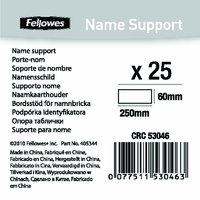
Fellowes Lam Pch Nme Suprt 60x250mm P25: FeaturesFellowes Laminating Pouch Name Support. Name place holder for use on desks and tables. Ideal for conferences,...
 Wallpaper Store
 Magazine Subscriptions
 National Geographic
 Brilliant Brainz Magazine
 My Favourite Magazines
 Financial Times - FT.com
 Wall Street Journal, The
 J Glamour
 Beano Comic