Choose Which Site You Want To See




Fotografiska is an international photography museum and cultural venue offering curated exhibitions, learning opportunities, and event spaces across its locations.
It focuses on contemporary visual storytelling, showcasing work from established and emerging photographers. The experience centres on accessible curation, inviting visitors to engage with varied themes and creative perspectives. Visitors will find rotating installations that reflect cultural trends and artistic experimentation, offering a changing programme through the year. The museum typically attracts audiences interested in visual culture, creative inspiration, and thoughtful programming.
Fotografiska is an international photography and cultural institution known for presenting contemporary visual art, immersive exhibitions, and creative programming. Originating in Sweden, it has expanded its presence over time, with its spaces broadly recognised for combining photographic showcases with a wider cultural environment. The organisation positions itself within the arts and culture sector, focusing on photography as a medium that connects artistic expression with social reflection.
Across its locations, Fotografiska has developed a model that blends curated exhibitions with hospitality and event experiences. This positioning places it in a specialist niche within the museum and gallery landscape, leaning towards a modern, lifestyle‑oriented interpretation of what a photographic museum can be. Rather than following a traditional institutional model, it often emphasises creative exploration, contemporary themes, and accessible storytelling designed for a broad audience.
The scale and visibility of the brand have grown steadily as interest in photography continues to expand globally. Many of its exhibitions feature well‑established names alongside emerging artists, providing a varied programme that shifts throughout the year. Visitors typically encounter a mix of documentary photography, fine art, portrait work, and conceptual pieces. This variety supports an experience that is diverse in tone and subject matter, aligning with its aim to present photography in ways that feel current and culturally connected.
Expectations for the visitor experience generally reflect the brand's hybrid cultural‑lifestyle approach. People exploring Fotografiska can anticipate atmospheric spaces, clear exhibition narratives, and the possibility of supplementary offerings such as dining or event programming, depending on the location. Overall, the brand positions itself as a contemporary destination for those interested in visual culture presented through a modern, experiential lens.
Browse the full range on the Fotografiska website.
Fotografiska is primarily known for its rotating exhibitions, which feature international photographers across genres. These exhibitions may include portraiture, documentary work, fine art photography, and experimental formats. The variety aligns with the brand’s aim to present photography in ways that feel current and culturally relevant.
Some locations host retrospectives dedicated to influential photographers. These exhibitions often trace the development of an artist’s career, showcasing early pieces alongside newer or lesser‑known work. This format supports a deeper engagement for visitors who want to understand an artist’s broader creative journey.
Group exhibitions bring together multiple photographers under a unifying theme. Subjects might involve social issues, artistic movements, or shared visual styles. This approach allows Fotografiska to explore broader cultural conversations through a curated selection of voices.
Many locations host talks, workshops, or cultural events linked to current exhibitions. These programmes may involve artists, curators, or other creative professionals. They provide an added layer of context and support the brand’s educational and cultural mission.
Certain Fotografiska venues offer restaurants, cafes, or lounge areas designed to complement the exhibition experience. These spaces are often integrated into the venue’s identity, giving visitors a social dimension alongside the art viewing.
Museum shops at Fotografiska typically offer books, prints, gifts, and design items related to photography and contemporary culture. These spaces provide extensions of the brand ethos, focusing on creative and visually led products.
Some Fotografiska locations can be booked for private events. These spaces are often chosen for their architectural style and contemporary atmosphere, making them suitable for a variety of gatherings.
Membership options may be available depending on the location. These programmes generally offer repeat entry and other experience‑related benefits. They cater to visitors who engage with the brand regularly.
Fotografiska presents itself as a modern cultural institution built around photography and its ability to capture human stories. Across its locations, the brand tends to focus on accessible curation, narrative‑driven exhibitions, and contemporary themes. Its operating model enables a blend of cultural, educational, and social experiences, differentiating it from more traditional museum structures.
The brand typically highlights creativity, inclusivity, and engagement with current issues. This framing reflects the broader shift in museums toward more dynamic, visitor‑focused experiences. Rather than emphasising archival or academic positioning, Fotografiska leans into visual impact and emotional resonance. This helps it appeal to both photography enthusiasts and visitors who may be newer to the medium.
Visitors generally encounter a clear and intuitive flow when navigating Fotografiska exhibitions. Galleries often use low lighting, spacious layouts, and concise wall texts designed to support focused viewing. Signage tends to be straightforward, guiding visitors through each exhibition without overwhelming them with information.
Information on events, opening hours, or exhibition schedules is usually presented in a structured, easy‑to‑understand format on the brand’s official website. The booking process, where needed, is typically simple and designed to minimise friction. Overall, the experience is built around making contemporary photography approachable and engaging for a wide range of visitors.
Fotografiska is known for its contemporary photography exhibitions and cultural programming. It combines visual art with hospitality elements to create a rounded visitor experience. The brand focuses on presenting photography in an accessible and engaging way.
Fotografiska operates as a photography and cultural venue with rotating exhibitions and supplementary events. Its approach blends curated art displays with social and dining environments depending on the location. This model supports both cultural exploration and social engagement.
Fotografiska attracts a broad mix of visitors including photography enthusiasts, cultural explorers, and travellers. Its accessible presentation style also makes it suitable for people who are newer to contemporary art. The flexible format appeals to both planned visits and more casual outings.
Fotografiska can be suitable for families depending on the exhibition themes. Some shows feature content that is accessible to a wide age range, while others explore more mature subjects. Families often check exhibition details in advance to ensure a comfortable experience.
Fotografiska differs from traditional museums by focusing on contemporary photography and a more modern visitor experience. It typically places emphasis on atmosphere and rotating exhibitions rather than large permanent collections. For visitors drawn to current visual culture, this can provide a distinct alternative.
Visitors should know that exhibitions change frequently and themes vary throughout the year. Checking the current programme helps set expectations for the tone and subject matter. The experience usually includes clear curation, atmospheric galleries, and, in some locations, dining options.
Fotografiska has established itself as a contemporary cultural venue that places photography at the centre of its identity. Its model blends curated exhibitions with a broader experiential environment, creating a destination that feels modern and accessible. Across its locations, visitors typically encounter narrative‑driven exhibitions, atmospheric gallery design, and, in some cases, hospitality spaces that complement the cultural experience.
The brand appeals to a varied audience, from dedicated photography followers to individuals seeking an engaging and approachable introduction to visual art. Suitability depends on exhibition themes and visitor preferences, but the clear curation and structured presentation style help support a comfortable experience for many. Compared with more traditional museums, Fotografiska tends to offer a dynamic programme that changes frequently, giving returning visitors new reasons to explore.
Overall, it presents a contemporary approach to cultural engagement, combining artistic expression with a welcoming atmosphere. This positioning has contributed to its ongoing appeal within the broader landscape of photography and modern visual culture.
Ready to shop? See the full range on the Fotografiska website.
This guide was written by AI. It does not represent the views or opinions of the website owner.
Updated October 2026
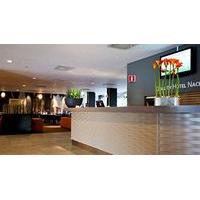
Quality Hotel Nacka: Location. Situated in Nacka, Quality Hotel Nacka is in the entertainment district and close to Sickla Shopping Center,...
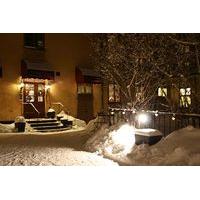
Nofo Hotel: Landmark hotel with free breakfast in Södermalm district 2 stops to Gamla Stan In the heart of the lively...
Motel L: Property Location With a stay at Motel L in Stockholm (Hammarby Sjostad), you apos;ll be convenient to Vitabergsparken...
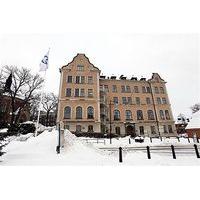
Ersta Konferens & Hotell: Waterfront hotel with breakfast, in Södermalm district Djurgården views Overlooking central Stockholm\'s largest...
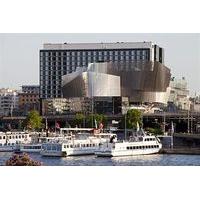
Radisson Blu Waterfront Hotel: Upscale waterside hotel by Stockholm Congress Centre Waterside conferences This sophisticated 4-star Radisson Blu...
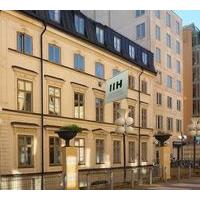
Second Home Apartments Guldgrand: Location. Located in Stockholm (Sodermalm), Second Home Apartments Guldgrand is close to Stockholm City Museum,...
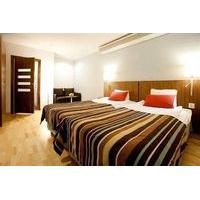
Scandic Malmen: Modern hotel with free breakfast, in Södermalm district 2 stops to Gamla Stan Scandic Malmen is located in...
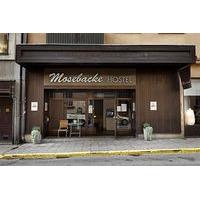
Mosebacke Hostel: Location. Located in Stockholm (Sodermalm), Mosebacke Hostel is close to Katarina Church, Fotografiska, and Stockholm...
Nofo Loft: Budget attic hotel in hip Södermalm, close to Gamla Stan Central Station: 3 stops Columbus Loft is in Södermalm,...

Hotel Point: Location. Located in Stockholm (Sodermalm), Hotel Point is close to Ringen Shopping Center, Fotografiska, and Stockholm...
 Waddesdon Manor
 Vue Orleans
 Blenheim Palace
 College Football Hall Of Fame
 Royal Academy Of Art
 Leeds Castle
 Portsmouth Historic Dockyard
 Golden Hinde
 Warner Brothers Studio Tour - The Making Of Harry Potter
 Royal Botanic Gardens - Kew