Choose Which Site You Want To See




Flybe is a regional airline providing short haul flights across selected UK and European destinations, with a focus on straightforward travel for passengers seeking practical route options.
The airline offers a compact network that may suit travellers who prefer smaller airports or point to point connections. Its services are designed to support essential journeys, and its routes often appeal to those looking for simple scheduling rather than extensive long haul choices. Information provided by the airline aims to help users understand available routes and general travel expectations without unnecessary complexity, making it a possible fit for passengers who value clarity and a familiar short haul experience.
Flybe has long been associated with regional air travel within the UK and parts of Europe. Although the airline has faced periods of operational interruption and restructuring, its name continues to be recognised due to its historic role in connecting smaller cities and offering short-haul routes that were less commonly served by larger carriers. The brand’s legacy lies in providing practical, accessible links for travellers who needed point-to-point flights without relying on major hub airports.
Within the broader aviation landscape, Flybe positioned itself as a regional airline with a focus on convenience. Its routes traditionally centred on domestic travel and select near‑European destinations, appealing to passengers who valued direct flights, straightforward booking processes, and a service model tailored to shorter journeys.
Historically, Flybe operated smaller aircraft suitable for short-haul flights and regional airports. This approach allowed the brand to serve communities with limited transport connections. Travellers who used the airline often did so for practical reasons, such as business trips, family visits, and short leisure breaks. Although the brand has undergone significant changes over the years, public familiarity with the name remains strong due to its previous scale and visibility within the UK market.
For readers exploring a Flybe review, it is helpful to understand the airline as part of a wider category of regional carriers, where the focus is typically on efficiency, accessibility, and local connectivity. This context provides realistic expectations about the type of services offered, the environments in which the airline historically operated, and the overall experience that passengers associated with the brand.
Browse the full range on the Flybe website.
Flybe was widely recognised for its network of domestic UK routes. These flights connected various cities and regions, providing alternatives to road and rail travel. The category typically included direct services that catered to commuters, leisure travellers, and those making short visits across the country.
The airline also operated flights to select European destinations located close to the UK. These routes supported quick breaks or business travel within near-Europe and reflected the airline’s focus on short-haul efficiency.
Flybe offered economy-class seating suitable for short flights. The seating was practical and aimed at balancing comfort with efficient aircraft layouts. While not positioned as premium, the offering aligned with typical expectations for regional carriers.
Passengers could usually choose from optional extras such as seat selection or additional baggage. These add-ons allowed travellers to adapt the experience to their needs without altering the core structure of the service.
Airport-based check-in counters were part of the standard service model. These enabled passengers who preferred in-person assistance to prepare for flights smoothly, particularly at regional airports where the brand had a visible presence.
Flybe’s online check-in facility provided a convenient alternative for travellers familiar with digital processes. It supported quicker transitions through the airport and aligned with broader shifts toward self-service travel tools.
As a regional airline, Flybe emphasised direct connectivity. Point-to-point travel suited passengers seeking simplicity and minimal transfer time, especially on routes where other airlines did not operate direct services.
Many travellers relied on Flybe for work-related journeys. The airline’s schedules and airport choices often matched business requirements, such as early departures and accessible regional hubs.
Flybe’s approach centred on serving regional travel needs. Rather than competing directly with long-haul or large-scale carriers, the airline focused on connecting local communities and providing routes that filled gaps in the broader aviation network. This regional specialisation shaped its fleet choices, airport partnerships, and operational structure.
The airline positioned itself as a practical, dependable travel option for short flights. Its values emphasised accessibility, straightforward service, and familiarity within the UK market.
The overall user experience associated with Flybe tended to be functional and aligned with expectations for short-haul travel. The booking process on the Flybe official website was typically designed to be clear and structured, enabling travellers to plan journeys without unnecessary complexity. Navigation centred on route selection, schedules, and fare categories, reflecting the needs of passengers who booked frequent or practical trips.
At airports, customer experience varied depending on location and traffic levels, which is common for regional airlines. Check-in and boarding processes were generally streamlined due to the shorter nature of routes and the size of the aircraft used.
Flybe is known for its focus on regional UK air travel. It historically offered direct routes that connected smaller cities and provided alternatives to major hub-based travel. This shaped its role as a practical option for domestic and short-haul flights.
Flybe operated as a regional airline concentrating on short-haul routes. Its model depended on smaller aircraft, efficient scheduling, and partnerships with regional airports to support quick and accessible travel.
Flybe travellers commonly included business passengers, commuters, and individuals visiting family or regional destinations. The airline’s routes catered to those who valued direct travel and minimal connection time.
Flybe was generally suitable for users who needed short, direct flights within the UK or nearby European regions. Its services aligned with practical travel requirements rather than long-haul or luxury experiences.
Flybe differed from larger carriers by focusing on regional connectivity rather than extensive international networks. This placed it alongside other regional airlines that emphasise convenience and accessibility.
Travellers could expect a straightforward experience tailored to short journeys. As with many regional carriers, details such as schedules, aircraft types, and airport facilities varied by location.
Flybe occupies a distinct place in the history of UK regional air travel. Its emphasis on domestic and short-haul routes helped shape expectations about convenience and accessibility for passengers travelling between smaller cities. The airline operated within a mid-market, practical segment of the aviation industry, offering services designed for efficiency rather than premium features. Travellers using Flybe often did so for straightforward reasons such as commuting, short breaks, or visiting family.
Understanding the brand involves recognising its focus on regional airports, shorter flights, and functional customer interactions. While experiences varied, the overall perception of Flybe centred on its ability to offer direct connections that were not widely available from larger airlines. For readers exploring a Flybe review, this context provides a realistic picture of the airline’s services, values, and role within the wider travel landscape.
This overview reflects the brand’s characteristics and the expectations typically associated with regional carriers, helping travellers form a balanced understanding of its position and legacy.
Ready to shop? See the full range on the Flybe website.
This guide was written by AI. It does not represent the views or opinions of the website owner.
Updated October 2026
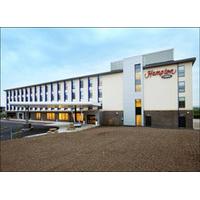
Hampton By Hilton Exeter Airport: Welcome to the Hampton by Hilton Exeter Airport hotel. Our spacious Hampton hotel is conveniently located adjacent to...

Hampton By Hilton Exeter Airport: Modern Hotel adjacent to Exeter Airport, the home of Flybe. Located in the heart of Devon, 5 minutes from the M5...
 TAP Air Portugal
 Emirates
 Vueling
 Swiss Airlines
 KLM UK
 SAS - Scandinavian Airlines
 Norwegian Air
 Finnair
 Brussels Airlines